AI may reason; production authority stays governed.
Models can synthesize evidence, form hypotheses and propose plans; policy, approval, authorization and execution should remain deterministic, auditable and verifiable.
Executive profile
Build systems. Build people. Align with organizational strategy, prepare for the future, and design systems that remain understandable and recoverable when reality gets difficult.
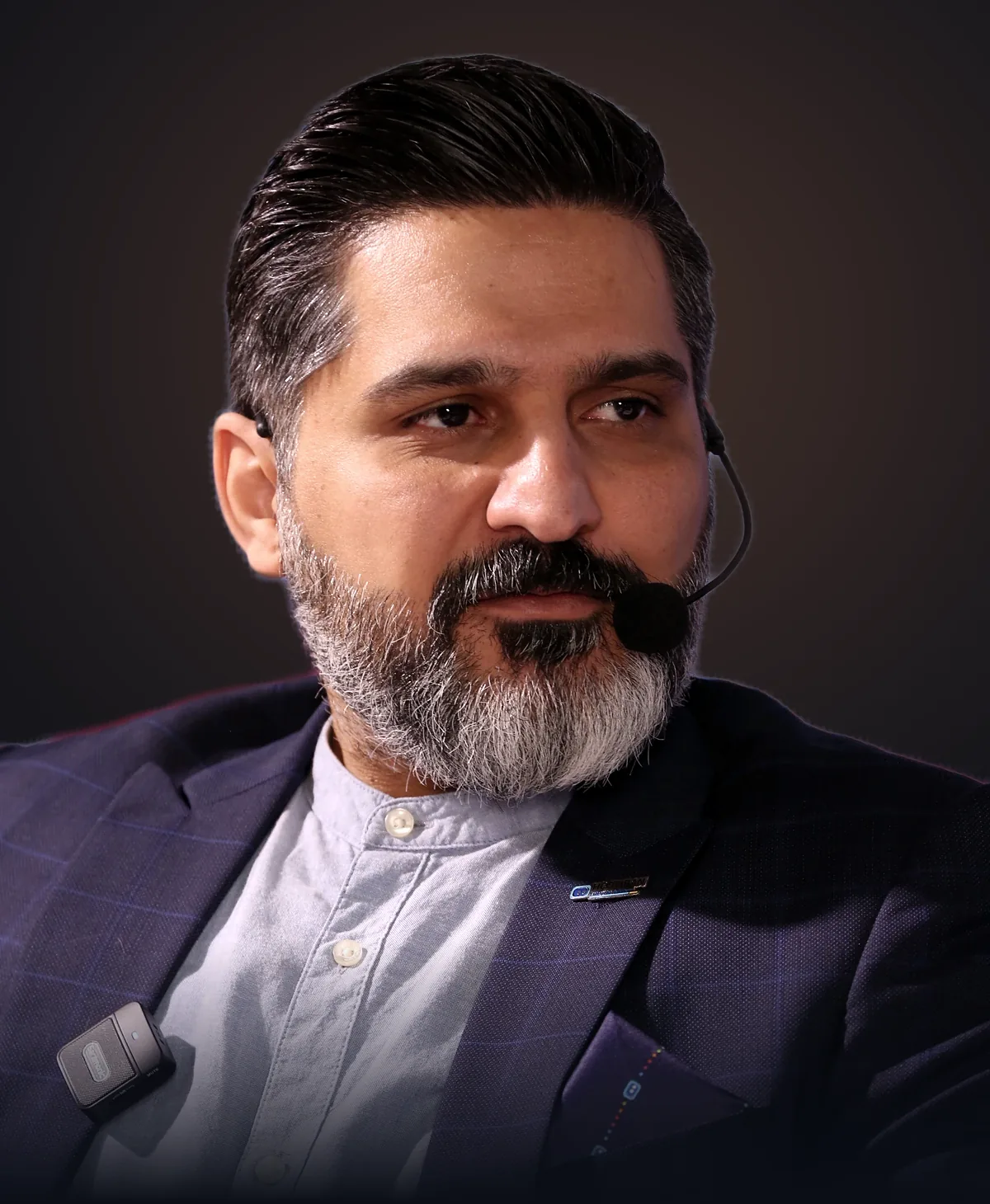
Executive Summary
As a CTO and technology leader, I do not see the job as technology selection. The real work is translating organizational direction into the right capabilities, making ownership and decision boundaries explicit, enabling stronger independent decisions, and following execution through to runtime evidence.
Leadership Mandate
Architecture does not endure without people capability, and execution does not become trust without evidence.
Career Context
Verified roles as the context in which technical and executive judgment formed, without guessing uncertain dates.
Technology leadership focused on aligning organizational direction, platform and infrastructure architecture, team capability and dependable execution.
Advisory work at the boundary of executive decision-making and technology, translating technical trade-offs into organizational choices.
Systems infrastructure leadership with an operational focus on reliability, ownership, change capacity and standardization.
Engineering experience in telecom environments where state, integration and operational continuity matter.
A deep foundation in Linux, systems engineering and infrastructure operations that later expanded into architecture and technology leadership.
Operating Model
People Leadership
I make context explicit, distribute ownership, grow technical leaders, and turn individual knowledge into frameworks, architecture, automation and standards.
Selected Decisions
Models can synthesize evidence, form hypotheses and propose plans; policy, approval, authorization and execution should remain deterministic, auditable and verifiable.
Management and serving are different responsibilities. Good design prevents control-plane impairment from unnecessarily taking down the primary service and keeps recovery paths explicit.
Not everything that can be built should be built. I build where product ownership or differentiation matters and integrate where mature ecosystems create clearer boundaries and lower operational burden.
Console, API, automation and AI should operate over one authoritative model. A new interface must not create a second source of truth, hidden state or a policy bypass.
Implementation existence and green static validation are not enough. Success should come from post-conditions, runtime readback and evidence appropriate to that layer.
Removing an unnecessary subsystem, authority or abstraction can matter more than adding technology. Complexity is acceptable only when it has an owner, a failure model and a clear reason to exist.
Technology Domains
Where should models reason, and where must authority stay deterministic and auditable?
How do we build self-service and lifecycle without creating a second source of truth?
How do we make topology, routing and service dependencies observable and dependable?
What boundaries do failure domains, quorum, state and recovery require?
What must be read from runtime, verified and recovered after failure?
How do least privilege, tenancy and auditability stay strong without breaking operations?
How can infrastructure complexity sit behind understandable workflows without hiding truth?
Founder — 4SO Lab
I shaped 4SO Lab as an engineering practice for framing hard infrastructure problems, defining authority and failure boundaries, using AI and automation responsibly, building real products, and checking source-level claims against runtime behavior. The goal is not presentation-only prototypes; it is capability that can be installed, changed, failed, recovered and verified with evidence.
What looks correct in source must still be proven in the running system.4so.ir ↗
Education & Professional Background
Selected Systems
Start a conversation
The first conversation is about your problem, not about me: where you are stuck, what is at stake and whether I am the right person to solve it.
Bring the problem